Not every hunt needs a gun or bow. Sometimes the smartest way to secure food is to let the land work for you. Tracking and trapping are essential off-grid skills that require time, knowledge, and patience instead of brute force.
Why Trap Instead of Hunt?
Trapping is passive. You set your traps and walk away. This saves energy and lets you multitask—work the land, tend your shelter, or scout other areas. It’s efficient and stealthy, perfect for remote living.
Understanding Animal Behavior
Before setting a single snare, you need to know what lives around you. Learn to recognize:
- Tracks: Hoof, paw, or claw prints in mud, snow, or dust.
- Scat: Animal droppings indicate diet, species, and recent presence.
- Trails: Paths animals use repeatedly—often near water or food sources.
- Nesting or bedding areas: Flattened grasses, leaf piles, or burrows.
Types of Traps and Snares
- Snare Wire: Best for small game like rabbits or squirrels. Thin cable set at head height on known trails.
- Deadfall Trap: Weighted rock falls on the animal when bait is disturbed. Use with small prey.
- Spring Pole Snare: Tension-based trap that yanks the animal into the air when triggered.
- Cage Traps: Reusable and humane, but bulky.
Best Animals to Trap
Focus on:
- Rabbits
- Squirrels
- Raccoons
- Groundhogs
- Beavers
- Birds (using nets or funnels)
Avoid predators or large game unless you’re highly experienced and it’s legal in your region.
Baiting and Placement
- Use food the animal already eats: apples, corn, peanut butter, fish, etc.
- Place traps along trails, near water, or by burrows.
- Avoid human scent: wear gloves and handle traps with sticks or leaves.
Legal and Ethical Trapping
Always check local laws. Some traps are illegal or restricted. Never leave traps unchecked for more than 24 hours. Humane kills are still your responsibility.
Checking and Dispatching
Check traps early and often. If the animal is alive, dispatch it quickly and cleanly. A small-caliber pistol or well-placed blade to the base of the skull works. Avoid unnecessary suffering.
Quick Field Dressing for Small Game
- Skin while warm—it’s faster.
- Remove guts immediately.
- Rinse with clean water.
- Chill or cook as soon as possible.
Advantages of Passive Hunting
- Low energy input
- Continuous food collection
- Easy to set up multiple lines
- Silent and stealthy
Limitations
- Not instant—takes time and patience
- Higher learning curve
- Weather and terrain-dependent
- Risk of theft or trap failure
Final Thoughts
Trapping and tracking aren’t outdated—they’re underrated. If you’re living off-grid and want to keep a sustainable food supply flowing, learning to trap is a game changer. It takes observation, discipline, and respect for the animals. But once mastered, it’s one of the most effective food-gathering strategies there is.
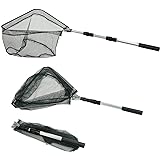
RESTCLOUD Fishing Landing Net with Telescoping Pole Handle, Fishing net Freshwater for Kids Men Women, Extend to 40-63 Inches
$14.99 (as of August 14, 2026 13:30 GMT +00:00 - More infoProduct prices and availability are accurate as of the date/time indicated and are subject to change. Any price and availability information displayed on [relevant Amazon Site(s), as applicable] at the time of purchase will apply to the purchase of this product.)
NPQQUAN Sun Hats for Men Women with Neck Flap UPF 50+ UV Protection | Wide Brim Bucket Hat, Water Resistant, Adjustable Size, Detachable Chin Strap, Foldable & Lightweight, Hiking Fishing Hats
$9.95 (as of August 14, 2026 13:30 GMT +00:00 - More infoProduct prices and availability are accurate as of the date/time indicated and are subject to change. Any price and availability information displayed on [relevant Amazon Site(s), as applicable] at the time of purchase will apply to the purchase of this product.)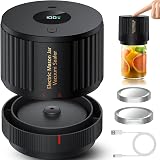
LOVE MOMENT Electric Mason Jar Vacuum Sealer Kit | for Wide Mouth and Regular Mouth Mason Jar
$25.64 (as of August 14, 2026 13:30 GMT +00:00 - More infoProduct prices and availability are accurate as of the date/time indicated and are subject to change. Any price and availability information displayed on [relevant Amazon Site(s), as applicable] at the time of purchase will apply to the purchase of this product.)
Berkley Trilene Big Game Monofilament Fishing Line
$11.99 (as of August 14, 2026 13:30 GMT +00:00 - More infoProduct prices and availability are accurate as of the date/time indicated and are subject to change. Any price and availability information displayed on [relevant Amazon Site(s), as applicable] at the time of purchase will apply to the purchase of this product.)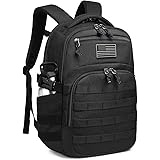
Wotony Military tactical backpack, backpack for men black small tactical assault bag
$29.99 (as of August 14, 2026 13:30 GMT +00:00 - More infoProduct prices and availability are accurate as of the date/time indicated and are subject to change. Any price and availability information displayed on [relevant Amazon Site(s), as applicable] at the time of purchase will apply to the purchase of this product.)
Walker's Razor Slim Electronic Muff
$39.00 (as of August 14, 2026 13:30 GMT +00:00 - More infoProduct prices and availability are accurate as of the date/time indicated and are subject to change. Any price and availability information displayed on [relevant Amazon Site(s), as applicable] at the time of purchase will apply to the purchase of this product.)
Beyond Braid Braided Fishing Line -Super Strong - Abrasion Resistant - No Stretch -Blue Camo, Moss Camo, White, Green, Pink, Blue, 4 Strand 8 Strand
$20.17 (as of August 14, 2026 13:30 GMT +00:00 - More infoProduct prices and availability are accurate as of the date/time indicated and are subject to change. Any price and availability information displayed on [relevant Amazon Site(s), as applicable] at the time of purchase will apply to the purchase of this product.)