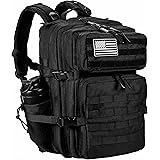
Killing the animal is just the beginning. If you want to eat clean, quality meat, you need to know how to butcher it right. Whether it’s a rabbit or a deer, the process is about efficiency, cleanliness, and respect.
Start With Field Dressing
Before you even think about butchering, field dress your animal. That means removing the internal organs as soon as possible to prevent spoilage. Carry gloves and a sharp, strong knife every time you hunt.
Tools You Need
- Boning knife
- Bone saw (for larger animals)
- Cutting board or clean surface
- Meat hooks
- Buckets for waste
- Cooler or freezer
- Clean cloths and sanitizer
Skinning
Skinning is easier when the animal is warm. Hang it up if possible. Make incisions around the legs and peel carefully. Avoid cutting into the meat or leaving hair behind. For smaller animals, it can be done by hand in minutes.
Quartering
Large game like deer needs to be broken down into quarters. That means separating front legs, back legs, and torso. Identify the joints and work your knife between them. Remove the backstraps (prime meat along the spine) and tenderloins.
Deboning
You can leave meat on the bone or debone it for easier storage. Follow the natural muscle lines. Keep your knife close to the bone to maximize yield.
Sanitation Is Everything
Clean your tools constantly. Keep meat off the ground. Flies, dirt, and bacteria are your enemy. If it smells off, don’t eat it. Wash everything after the process, including yourself.
Storing Your Meat
- Cool quickly. Use ice or refrigeration.
- Freeze what you don’t eat soon. Vacuum-sealing helps preserve quality.
- Label everything. Note the animal and date.
- Dry-aging (optional). Hanging meat in a controlled space can enhance flavor.
Using the Whole Animal
Off-grid butchering means wasting nothing. Use the organs for food or dog treats. Turn bones into broth. Even hide can be tanned for clothing or gear.
Practice Makes Perfect
Your first butchering job will be messy. That’s normal. Watch tutorials, learn from seasoned hunters, and take your time. The more you do it, the cleaner and faster you’ll get.
Final Thoughts
Butchering your own meat completes the cycle of self-reliance. It connects you to your food in a powerful way. It saves money, builds skill, and gives you full control over what ends up on your plate. Like hunting itself, it’s not just about survival—it’s about owning the process end to end.
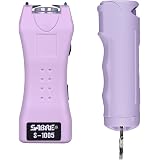
SABRE Pepper Spray & 2‑in‑1 Stun Gun with Flashlight Self Defense Kit – Fast Flip Top 10‑Second Safety Spray with Finger Grip & Keychain – Rechargeable Stun Gun, 1.60 µC Charge, 120‑Lumen LED Light
$19.38 (as of August 15, 2026 13:30 GMT +00:00 - More infoProduct prices and availability are accurate as of the date/time indicated and are subject to change. Any price and availability information displayed on [relevant Amazon Site(s), as applicable] at the time of purchase will apply to the purchase of this product.)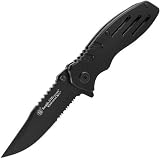
Smith & Wesson Accessories Extreme Ops SWA24S 7.1in S.S. Folding Knife with 3.1in Serrated Clip Point Blade and Aluminum Handle for Outdoor
$11.89 (as of August 15, 2026 13:30 GMT +00:00 - More infoProduct prices and availability are accurate as of the date/time indicated and are subject to change. Any price and availability information displayed on [relevant Amazon Site(s), as applicable] at the time of purchase will apply to the purchase of this product.)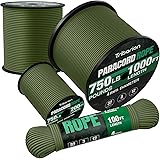
TRIBERION Paracord Rope 750 lb - 1000ft / 500ft / 200ft / 100ft 5/32" Parachute Cord 4MM 12-Strand para Cord - Heavy Duty Spool String for Survival,Camping Gear, Survival Bracelet, Clothesline
$7.89 (as of August 15, 2026 13:30 GMT +00:00 - More infoProduct prices and availability are accurate as of the date/time indicated and are subject to change. Any price and availability information displayed on [relevant Amazon Site(s), as applicable] at the time of purchase will apply to the purchase of this product.)
Fishing Line Wire Monofilament Clear Nylon String for Fishing Hanging Craft | WUINOID Fishing Line, Clear Nylon Invisible String for Hanging Balloons Garland Crafts Picture Decorations Threads Cords
$5.94 (as of August 15, 2026 13:30 GMT +00:00 - More infoProduct prices and availability are accurate as of the date/time indicated and are subject to change. Any price and availability information displayed on [relevant Amazon Site(s), as applicable] at the time of purchase will apply to the purchase of this product.)
HERCULES Type III Paracord 550 Paracord Rope Parachute Cord, 50' Black for Survival Rope, Survival Cord
$4.99 (as of August 15, 2026 13:30 GMT +00:00 - More infoProduct prices and availability are accurate as of the date/time indicated and are subject to change. Any price and availability information displayed on [relevant Amazon Site(s), as applicable] at the time of purchase will apply to the purchase of this product.)
Chef Preserve Compact Vacuum Sealer for Food (Vacuum Sealer Machine + 30 Reusable Vacuum Bags) Powerful Handheld Vacuum Sealer Machine, Seal Meal Saver, Portable Food Sealer
$99.00 (as of August 15, 2026 13:30 GMT +00:00 - More infoProduct prices and availability are accurate as of the date/time indicated and are subject to change. Any price and availability information displayed on [relevant Amazon Site(s), as applicable] at the time of purchase will apply to the purchase of this product.)
Sheffield 12626 Ammo Box Made in USA Stackable Lockable Ammo Storage Box | Lockable Storage Box, Water and Dust Resistant Dry Box, Secures Hunting Gear, Gun Accessories, Supplies, and Bullets
$12.74 (as of August 15, 2026 13:30 GMT +00:00 - More infoProduct prices and availability are accurate as of the date/time indicated and are subject to change. Any price and availability information displayed on [relevant Amazon Site(s), as applicable] at the time of purchase will apply to the purchase of this product.)