If you’re the kind of person who hears a two-stroke engine and thinks “weekend,” jet ski camping might just be your new obsession. Combining the speed and freedom of personal watercraft with the raw simplicity of off-grid camping, this is the ultimate way to unplug and explore. Here’s how to do it right—whether you’re out for one night or an entire wild week.
Why Jet Ski Camping?
Jet skis can take you places boats can’t. Shallow backwaters, hidden coves, remote islands—no docks, no crowds, no problem. Add in the ability to pack ultra-light and cover serious distance, and you’ve got a ticket to true wilderness camping with a twist of adrenaline.
Pack Smart: Only What You Need
Jet ski storage is limited, so every item matters. Think backpacker mentality with waterproofing. The key is to go lean without compromising on safety or comfort.
Must-Have Gear Checklist:
- Dry bags (multiple sizes)
- Compact tent or bivvy sack
- Sleeping bag + inflatable pad
- Jet boil or compact stove
- Dehydrated meals & snacks
- Multi-tool & paracord
- Portable water filter or purifier
- Headlamp + extra batteries
- First-aid kit
- GPS and physical map
- Solar battery pack
Pack heavy items low and centered on the ski to avoid imbalance. Secure gear using bungees and dry bag straps.
Waterproof Your Life
Even if the sky is clear, water will find a way. Wave spray, capsize, or just the occasional wet boot can soak your gear. Invest in high-quality dry bags, and double-bag electronics or anything that can’t get wet. Ziplocks inside dry bags are a cheap, effective backup system.
Safety First, Always
Going off-grid means help isn’t coming fast. You need to be self-sufficient.
Safety Essentials:
- Life vest (Coast Guard approved)
- Satellite communicator or PLB (Personal Locator Beacon)
- Marine radio
- Float plan left with someone back home
- Tool kit + extra rope
- Knowledge of weather patterns and tides
Also, know your limits. Don’t push through storms, rough waters, or fading daylight just to make a campsite.
Finding the Right Spot
The best jet ski campsites are often water-access only. Look for:
- State parks with water trail systems
- National forest lakeshores
- Islands with permitted backcountry camping
- River sandbars (check legality)
Use satellite maps to scout beaches or flat forest clearings. Some areas may require permits or have campfire restrictions—check before you go.
Leave No Trace on the Water
Respect the land and water you’re enjoying.
- Pack out everything
- Dig catholes at least 200 feet from water
- Use biodegradable soap sparingly
- Don’t damage trees or leave gear behind
Tips for a Smooth Jet Ski Camp Experience
- Check your ski before departure: fluids, impeller, spark plugs, battery.
- Fuel management: Know your range. Carry a spare fuel container if possible.
- Timing is everything: Set up camp before sunset. Give yourself buffer time in case of weather or delays.
- Practice loading/unloading gear: Do a test pack at home.
- Anchor smart: Use a shore spike or anchor line to prevent your ski from drifting away overnight.
Real Talk: Pros & Cons
Pros:
- Total freedom
- Access to places few can reach
- Adrenaline + solitude
- No trailers or boat ramps required for camping
Cons:
- Limited gear space
- Dependent on weather
- Can be risky if unprepared
- More planning required than typical camping
Final Thoughts
Jet ski camping is about more than just getting away—it’s about discovering places most people never will. It’s waking up to sunrise on the water, cooking breakfast on driftwood coals, and knowing you earned every bit of it.
Pack light. Ride far. Sleep wild.
You’re off the grid now.
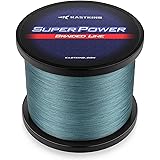
KastKing Superpower Braided Fishing Line, Abrasion Resistant Braid Line | Zero Stretch, Strong Knot Strength, Smaller Diameter, Enhanced Sensitivity, Long Casting, Superior Strength
$16.99 (as of August 14, 2026 13:30 GMT +00:00 - More infoProduct prices and availability are accurate as of the date/time indicated and are subject to change. Any price and availability information displayed on [relevant Amazon Site(s), as applicable] at the time of purchase will apply to the purchase of this product.)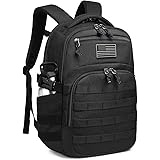
Wotony Military tactical backpack, backpack for men black small tactical assault bag
$29.99 (as of August 14, 2026 13:30 GMT +00:00 - More infoProduct prices and availability are accurate as of the date/time indicated and are subject to change. Any price and availability information displayed on [relevant Amazon Site(s), as applicable] at the time of purchase will apply to the purchase of this product.)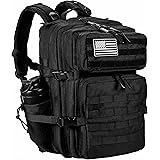
LHI Military Tactical Backpack for Men and Women 45L Army 3 Days Assault Pack Bag Large Rucksack with Molle System - Black
$27.99 (as of August 14, 2026 13:30 GMT +00:00 - More infoProduct prices and availability are accurate as of the date/time indicated and are subject to change. Any price and availability information displayed on [relevant Amazon Site(s), as applicable] at the time of purchase will apply to the purchase of this product.)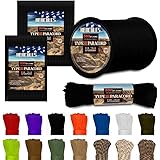
HERCULES Type III Paracord 550 Paracord Rope Parachute Cord, 50' Black for Survival Rope, Survival Cord
$4.99 (as of August 14, 2026 13:30 GMT +00:00 - More infoProduct prices and availability are accurate as of the date/time indicated and are subject to change. Any price and availability information displayed on [relevant Amazon Site(s), as applicable] at the time of purchase will apply to the purchase of this product.)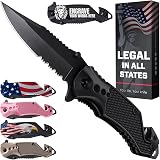
GOOD WORKER Legal Pocket Knife with 2.95” Serrated Blade, Glass Breaker, Seat Belt Cutter - EDC Sharp Folding Knives with Portable Clip - Small Tool for Tactical Camping Survival Hiking - Gifts for Men, Women
$9.99 (as of August 14, 2026 13:30 GMT +00:00 - More infoProduct prices and availability are accurate as of the date/time indicated and are subject to change. Any price and availability information displayed on [relevant Amazon Site(s), as applicable] at the time of purchase will apply to the purchase of this product.)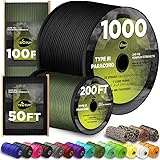
Paracord Rope 550 lb 4mm – Parachute Cord – Utility Camping Rope | 550 Paracord Type III, 50ft to 1000ft, 45+ Colors, Survival and Tactical Outdoor Gear, Nylon Core Para Cord for Clothesline
$7.99 (as of August 14, 2026 13:30 GMT +00:00 - More infoProduct prices and availability are accurate as of the date/time indicated and are subject to change. Any price and availability information displayed on [relevant Amazon Site(s), as applicable] at the time of purchase will apply to the purchase of this product.)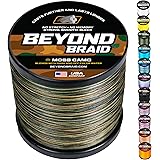
Beyond Braid Braided Fishing Line -Super Strong - Abrasion Resistant - No Stretch -Blue Camo, Moss Camo, White, Green, Pink, Blue, 4 Strand 8 Strand
$20.17 (as of August 14, 2026 13:30 GMT +00:00 - More infoProduct prices and availability are accurate as of the date/time indicated and are subject to change. Any price and availability information displayed on [relevant Amazon Site(s), as applicable] at the time of purchase will apply to the purchase of this product.)